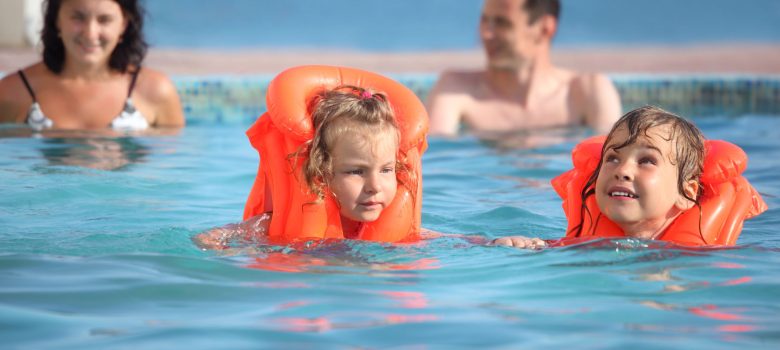
Swimming is not only a fun activity for children but also a vital life skill that can enhance safety and promote physical fitness. As more parents consider introducing their children to the water, understanding the essentials before signing up for swimming lessons becomes increasingly important. Many families begin their research with a search for Swimming Classes in Plano, TX, seeking the best options to help their children learn in a supportive and effective environment. Before enrolling your child, there are several factors to consider to ensure a positive and productive experience.
Assessing Readiness and Setting Goals
Before enrolling your child in swimming lessons, it is essential to evaluate whether they are ready both physically and emotionally. Children as young as six months can begin water orientation classes with parental involvement, but formal lessons often start around age four. Every child develops at their own pace, so look for signs of readiness such as an interest in water, the ability to follow instructions, and a certain level of comfort in new environments.
Setting clear goals for swim lessons is equally important. Parents should consider whether the primary aim is water safety, learning basic strokes, or preparing for competitive swimming. Communicate these goals with the instructor so lessons can be tailored to your child’s needs and abilities.
Choosing the Right Swim Program
Plano offers a variety of swim programs, each with unique teaching styles and class formats. When evaluating options, keep the following in mind:
- Class Size and Instructor Ratio: Smaller classes allow for more individualized attention, which is especially important for young or beginner swimmers.
- Instructor Qualifications: Ensure instructors are certified in CPR, first aid, and hold recognized swim teaching credentials. Experienced instructors are better equipped to handle diverse learning styles and ensure safety.
- Facility Safety and Cleanliness: Visit the pool to check for clean water, proper signage, non-slip surfaces, and easily accessible emergency equipment.
- Class Structure: Some programs offer group lessons, while others provide private or semi-private sessions. Assess which format aligns best with your child’s personality and learning preferences.
- Progression and Feedback: Look for programs that provide regular progress updates and constructive feedback, helping parents and children track improvement over time.
What to Expect During Lessons
Understanding what happens during swim lessons can help parents and children feel more comfortable. Most classes begin with a warm-up, followed by skill-building activities and safety drills. Instructors often use games and songs to keep young swimmers engaged while teaching important skills such as floating, kicking, and breath control.
Parents should expect gradual progress. Mastery of swimming skills takes time and repetition, so patience is key. Celebrate small milestones and encourage your child even if progress seems slow at first.
Safety Considerations
Safety should always be the top priority when selecting a swim program. In addition to instructor credentials and facility standards, parents should ask about emergency procedures and lifeguard presence during lessons. It’s also important to reinforce water safety rules at home, such as never swimming alone and always asking permission before entering the water.
Proper swim attire, including snug-fitting swimsuits and, for beginners, swim caps or goggles if recommended, can make a significant difference in comfort and confidence. Parents should also inquire about policies regarding illness, weather-related cancellations, and make-up lessons.
Supporting Your Child’s Experience
Parental involvement can enhance a child’s swimming journey. Encourage your child to share their experiences, address any fears or anxieties, and celebrate achievements, no matter how small. For younger children, sitting poolside during lessons can provide reassurance, while older kids may benefit from developing independence in a group setting.
Additionally, practicing water skills outside of lessons, whether during family swim time or at community pools, can boost confidence and reinforce what’s being learned.
Final Thoughts
Enrolling your child in swimming lessons is an investment in their safety, health, and confidence. By carefully considering readiness, selecting the right program, prioritizing safety, and staying involved, parents can ensure a positive experience that sets the foundation for a lifelong love of swimming. For families searching for “Swimming Classes Plano TX,” understanding these key factors will help you make informed decisions that best support your child’s learning and enjoyment in the water.